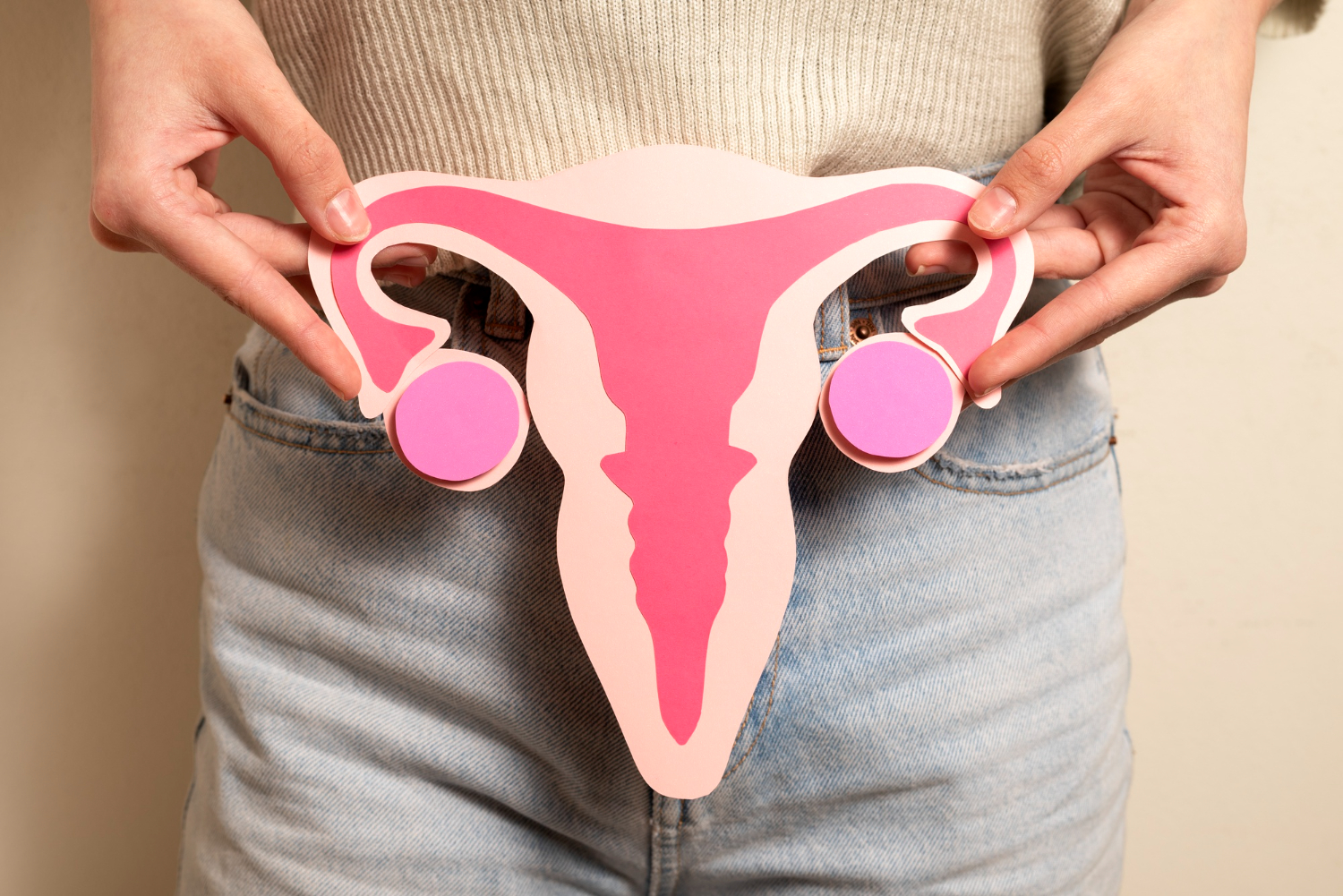
What is AMH, and Why is it Important?
When it comes to understanding fertility, Anti-Müllerian Hormone (AMH) has emerged as a key player in modern reproductive health. AMH is a hormone secreted by small ovary follicles critical for egg development. Essentially, AMH serves as a “marker” for ovarian reserve, providing a snapshot of the number of eggs a woman has left.
The significance of AMH lies in its ability to help women and fertility specialists assess reproductive potential. Unlike other fertility indicators, AMH levels, such as ovulation or hormone levels that fluctuate during the menstrual cycle, remain relatively stable. This makes it a reliable tool for evaluating ovarian reserve at any point in a woman’s cycle.
However, AMH isn’t just a number—it’s a window into your unique reproductive health. High or low AMH levels can guide decisions about fertility planning, including the timing of conception or exploring fertility preservation options like egg freezing. For women undergoing assisted reproductive technologies like IVF, AMH can predict how the ovaries might respond to stimulation, influencing treatment protocols.
While AMH offers valuable insights, it’s essential to understand that it’s not the whole story. Fertility is a complex equation influenced by egg quality, age, and overall health. AMH testing provides a starting point, helping individuals make informed choices on their journey to parenthood.
Whether you’re actively trying to conceive or just beginning to explore your fertility health, understanding AMH is a critical step in taking control of your reproductive future. In this blog, we’ll dive into how AMH predicts ovarian reserve, what low AMH means for pregnancy, and the options available to overcome fertility challenges. Stay with us to discover how knowledge about AMH can empower you to make confident decisions about your fertility journey.
AMH as a Predictor of Ovarian Reserve: What Does the Science Say?
Anti-Müllerian Hormone (AMH) is pivotal in helping individuals and fertility specialists assess ovarian reserve. But what does “ovarian reserve” actually mean? Simply, it refers to the quantity of eggs remaining in the ovaries. While this reserve naturally declines with age, AMH levels can give a clearer picture of where you stand in your reproductive timeline.
How Does AMH Work?
AMH is produced by the granulosa cells of small, undeveloped follicles in the ovaries. These follicles are a part of the ovarian reserve, and the AMH levels they produce directly correlate with the number of remaining eggs. Higher AMH levels generally indicate a larger reserve, while lower levels suggest that the ovarian reserve is diminishing.
Unlike other fertility tests, such as tracking ovulation or measuring estrogen and progesterone levels, AMH testing is cycle-independent. This means it can be conducted anytime during the menstrual cycle and still provide reliable results. This consistency makes AMH an invaluable tool for anyone planning to conceive or evaluate their fertility.
What Are Considered Normal AMH Levels?
- High AMH May indicate conditions like Polycystic Ovary Syndrome (PCOS), which often results in an abundance of immature follicles.
- Normal AMH: Suggests a healthy ovarian reserve and typically aligns with good fertility potential.
- Low AMH: This could mean a reduced ovarian reserve, which may impact the ease of conception and response to fertility treatments.
AMH and Age
It’s essential to understand that AMH levels naturally decline as women age. For example:
- In women in their 20s and early 30s, AMH levels are generally higher, reflecting a more abundant ovarian reserve.
- In women over 35, AMH levels decline more significantly as the number of eggs diminishes.
Is AMH a Guarantee of Fertility?
While AMH levels are an excellent indicator of ovarian reserve, they don’t tell the whole story. They don’t directly assess egg quality, another critical factor in conception. For instance, a woman with low AMH but good egg quality may still have a strong chance of getting pregnant. Conversely, someone with high AMH but poor egg quality may face challenges.
Why Is AMH Testing Useful?
AMH testing is particularly helpful in the following:
- Evaluating fertility potential for those trying to conceive naturally.
- Predicting ovarian response for treatments like in-vitro fertilization (IVF).
- Guiding decisions about fertility preservation, such as egg freezing.
- Diagnosing conditions like PCOS.
Individuals can better plan their fertility journeys by understanding how AMH levels predict ovarian reserve. However, it’s not the end for those who discover they have low AMH.
Low AMH Levels: What Does It Mean for Pregnancy?
Discovering that you have low AMH levels can feel overwhelming, especially if you’re planning to conceive. However, it’s important to remember that low AMH is not the same as infertility. While it may indicate a reduced ovarian reserve, many women with low AMH have successfully become pregnant, both naturally and with the help of fertility treatments.
What Are Low AMH Levels?
Low AMH levels typically fall below one ng/mL (nanograms per millilitre), which may suggest that the ovaries have fewer eggs remaining. However, this doesn’t necessarily mean you can’t conceive—it simply means that time and proactive steps might be crucial factors in your fertility journey.
Challenges Associated with Low AMH
- Reduced Egg Quantity: Fewer eggs are available, making conception more challenging.
- Lower Response to Fertility Treatments: With fewer eggs, the ovaries may respond less effectively to fertility medications used in procedures like IVF.
- Impact on Egg Quality: Although AMH doesn’t directly measure egg quality, lower ovarian reserves are often associated with diminished egg quality, significantly as age increases.
Can You Get Pregnant with Low AMH?
Yes! Low AMH levels may indicate fewer eggs, but even a healthy egg can lead to a successful pregnancy. Your fertility journey might require extra support or advanced techniques, but many options are available to help.
Options for Women with Low AMH
- Natural Conception:
- While more challenging, natural conception is still possible with low AMH if other factors, such as ovulation and sperm health, are in good condition.
- Regular monitoring of ovulation through ultrasound or ovulation kits can help optimize timing.
- Fertility Treatments:
- In-Vitro Fertilization (IVF): IVF is often recommended for women with low AMH, as it allows for precise monitoring and retrieval of eggs. Even a small number of eggs can be fertilized and transferred for a chance at pregnancy.
- Ovarian Stimulation: Tailored medication protocols can maximize egg retrieval, even in women with diminished reserves.
- Intrauterine Insemination (IUI): While less common for low AMH, IUI can be effective if ovulation occurs naturally.
- Fertility Preservation:
- If you’re not ready to conceive immediately, freezing eggs at the earliest opportunity can help preserve fertility before ovarian reserves decline further.
- Donor Eggs:
- For women with severely diminished reserves or no viable eggs, donor eggs are a highly practical option. The egg quality of donors is often excellent, increasing the chances of a successful pregnancy.
- Lifestyle Changes and Supplements:
- Dietary Adjustments: A nutrient-rich diet can improve overall reproductive health.
- Stress Management: Chronic stress can negatively impact fertility, so incorporating mindfulness techniques like yoga or meditation may help.
- Fertility Supplements: Antioxidants like CoQ10 and vitamin D have been shown to support egg health and ovarian function.
How Early Action Can Help?
If you’ve been diagnosed with low AMH, time is a critical factor. Seeking guidance from a fertility specialist can help you understand your unique situation and determine the best course of action. At Janitva IVF, we specialize in personalized fertility care, offering solutions tailored to your needs.
Advanced Fertility Technologies for Low AMH
For women with low AMH levels, advancements in fertility technology have opened new doors and provided renewed hope. These technologies are designed to work around the challenges posed by diminished ovarian reserves, offering innovative solutions to optimize fertility outcomes.
1. In-Vitro Fertilization (IVF): The Gold Standard
IVF is often the most recommended option for women with low AMH levels. It involves stimulating the ovaries to produce multiple eggs, retrieving them, fertilizing them in a lab, and transferring the embryo(s) into the uterus. Here’s why IVF is a game-changer:
- Customized Stimulation Protocols: Women with low AMH may benefit from mild stimulation protocols to avoid overstressing the ovaries while maximizing egg retrieval.
- Precise Monitoring: IVF allows specialists to monitor egg growth and development closely, ensuring that even a limited number of eggs are retrieved successfully.
- Embryo Freezing: If multiple embryos are created, they can be frozen for future use, reducing the need for repeated stimulation cycles.
2. Ovarian Rejuvenation Techniques
Emerging technologies like Platelet-Rich Plasma (PRP) therapy are showing promise in improving ovarian function. PRP involves injecting a concentration of your platelets into the ovaries to stimulate growth factors and potentially enhance egg production. While still in its experimental stages, PRP has offered hope to women with low ovarian reserves.
3. Donor Eggs: A Reliable Alternative
For women with severely diminished ovarian reserves or poor egg quality, donor eggs are a highly successful option. The process involves using eggs from a healthy donor, fertilizing them with sperm, and transferring the resulting embryo into the recipient’s uterus. Advantages include:
- Higher success rates due to the excellent quality of donor eggs.
- The ability to experience pregnancy and childbirth, even without using your eggs.
4. Preimplantation Genetic Testing (PGT)
PGT is a diagnostic tool that screens embryos for genetic abnormalities before implantation. This ensures that only healthy embryos are transferred, improving success rates and reducing the risk of miscarriage. PGT is particularly beneficial for women with low AMH, as it maximizes the chances of a successful pregnancy with fewer embryos.
5. Fertility Preservation with Egg Freezing
Egg freezing is an excellent option if you’re not ready to conceive immediately. Freezing your eggs at an earlier age, when they are of better quality, allows you to use them later when you’re ready to start a family. Women with low AMH who act early can preserve their fertility and bypass the natural decline in ovarian reserves over time.
6. Adjunct Therapies for Improved Success
- CoQ10 Supplementation: Coenzyme Q10 has been shown to improve mitochondrial function in eggs, potentially enhancing egg quality.
- Acupuncture: As a complementary therapy, acupuncture may improve blood flow to the ovaries and uterus, supporting overall fertility health.
- Lifestyle Counseling: Managing factors like diet, weight, and stress can significantly impact the success of fertility treatments.
Success Rates with Advanced Technologies
While success rates depend on individual circumstances, technologies like IVF and donor eggs have shown remarkable outcomes:
- IVF success rates for women with low AMH typically range from 20% to 40%, depending on age and overall health.
- Success rates can exceed 50% with donor eggs due to the high quality of the donor’s eggs.
Common FAQs About AMH and Fertility
Low AMH often raises many questions for individuals and couples trying to conceive. Here, we address some of the most common concerns to help you navigate your fertility journey with clarity and confidence.
1. What is Considered a Low AMH Level?
AMH levels are measured in nanograms per millilitre (ng/mL) and vary by age:
- Normal Range: 1.0 – 4.0 ng/mL
- Low AMH: Below 1.0 ng/mL
- Very Low AMH: Below 0.5 ng/mL
- Even with low AMH, pregnancy is still possible with appropriate treatment options.
2. Can Low AMH Levels Fluctuate?
Yes, AMH levels can show minor fluctuations based on factors like lab testing methods or temporary conditions such as stress. However, the overall decline in AMH with age remains consistent and irreversible.
3. Does Low AMH Mean Early Menopause?
Not necessarily. Low AMH indicates reduced ovarian reserves but does not directly predict menopause. Many women with low AMH continue to have regular menstrual cycles and ovulate naturally.
4. Can I Get Pregnant Naturally with Low AMH?
It is possible, but the chances are lower due to fewer eggs. However, age, overall health, and egg quality also play significant roles.
5. Does Low AMH Affect IVF Success?
Low AMH may reduce the number of eggs retrieved during IVF. However, the success of IVF depends on the quality of the eggs rather than the quantity. Advances in fertility treatments, like personalized protocols, have improved outcomes for women with low AMH.
6. How Do Age and AMH Levels Correlate?
AMH levels naturally decline with age. For example:
- In your 20s and early 30s, AMH levels are generally higher.
- By your late 30s and 40s, levels decrease significantly, affecting ovarian reserves.
7. What Are My Options if My AMH is Low?
Several options are available to help you conceive with low AMH:
- IVF with Your Eggs: IVF can still be successful if the quality is good.
- Donor Eggs: A standard solution for women with very low or no AMH.
- Ovarian Stimulation Protocols: Tailored to retrieve as many viable eggs as possible.
- Ovarian Rejuvenation Treatments: Emerging technologies like PRP injections show potential for improving ovarian function.
8. Can AMH Levels Be Increased?
Unfortunately, AMH levels cannot be increased. However, egg quality can be optimized through lifestyle changes, supplements, and stress management.
9. Does a High AMH Indicate Better Fertility?
Not always. While high AMH suggests a more significant number of eggs, it may also be associated with conditions like polycystic ovary syndrome (PCOS), which can complicate fertility.
10. How Do I Know if My AMH is Low?
A simple blood test can measure AMH levels. Your doctor may recommend this test if:
- You’ve been trying to conceive for a while without success.
- You’re considering IVF or other fertility treatments.
- You want to assess your ovarian reserves.
Addressing these questions can help demystify the challenges of low AMH and provide a roadmap for couples navigating this journey. At Janitva IVF, we ensure that every patient gets detailed guidance and support to answer all their questions.
By understanding the nuances of low AMH and seeking expert advice, you can take confident steps toward parenthood, equipped with the knowledge to make informed decisions.
Taking Control of Your Fertility Journey with Janitva IVF
Navigating the complexities of fertility can be overwhelming, especially when faced with challenges like low AMH. But with the proper guidance, treatments, and a dedicated team by your side, hope remains strong. At Janitva IVF, we’re committed to turning challenges into opportunities for parenthood.
Why Choose Janitva IVF?
- Comprehensive Diagnosis and Personalized Plans: We begin with thoroughly assessing your AMH levels and overall reproductive health. Each treatment plan is customized to suit your needs, ensuring the best possible outcomes.
- Advanced Fertility Treatments: From IVF with tailored stimulation protocols to egg donation and emerging techniques like ovarian rejuvenation, our clinic offers cutting-edge solutions to overcome the challenges of low AMH.
- Holistic Approach to Care: We believe in treating the whole person, not just the condition. Our experts guide lifestyle changes, stress management, and nutritional support to optimize fertility outcomes.
- World-Class Facilities: Janitva IVF combines state-of-the-art technology with a compassionate and supportive environment to ensure your seamless journey.
- Success Stories That Inspire: Every successful pregnancy at Janitva IVF is a testament to our commitment to excellence. Women with low AMH have achieved their dreams of parenthood through our expertise and unwavering support.
Steps to Get Started
- Schedule a Consultation: Please speak with our fertility specialists to understand your AMH levels and discuss personalized treatment options.
- Explore Your Options: From IVF to donor eggs, learn about the paths to achieve your dream of becoming a parent.
- Begin Your Journey: With the support of Janitva IVF, take confident steps toward a brighter future.
A Message of Hope
At Janitva IVF, we firmly believe your fertility journey is as unique as you are. Low AMH may present challenges, but with the proper care and cutting-edge treatments, the dream of parenthood is achievable. Whether at the start of your journey or exploring your options after years of trying, we are here to support you every step of the way.
Take the first step today. Your journey toward parenthood begins at Janitva IVF—where science meets compassion, and hope becomes a reality. Let’s make it happen together!
Contact Us Today:
📞 +91-88110-52000
🌐 Visit us at www.janitvaivf.com